OEM vs Aftermarket Farm Machinery Parts: What Mid-North Coast Farmers Need to Know in 2026
Choosing the right farm machinery parts is one of the most practical decisions a farmer on the Mid North Coast can make, and in 2026, the choice between OEM and aftermarket options carries real consequences for machinery longevity and farm productivity. For growers and graziers serving the Kempsey, NSW, area and the broader Macleay Valley, understanding what each parts category means, and when to use either, can help reduce downtime and stretch every dollar further. Sourcing quality farm machinery parts near Kempsey means knowing the difference before you order.
What Are OEM Farm Machinery Parts?
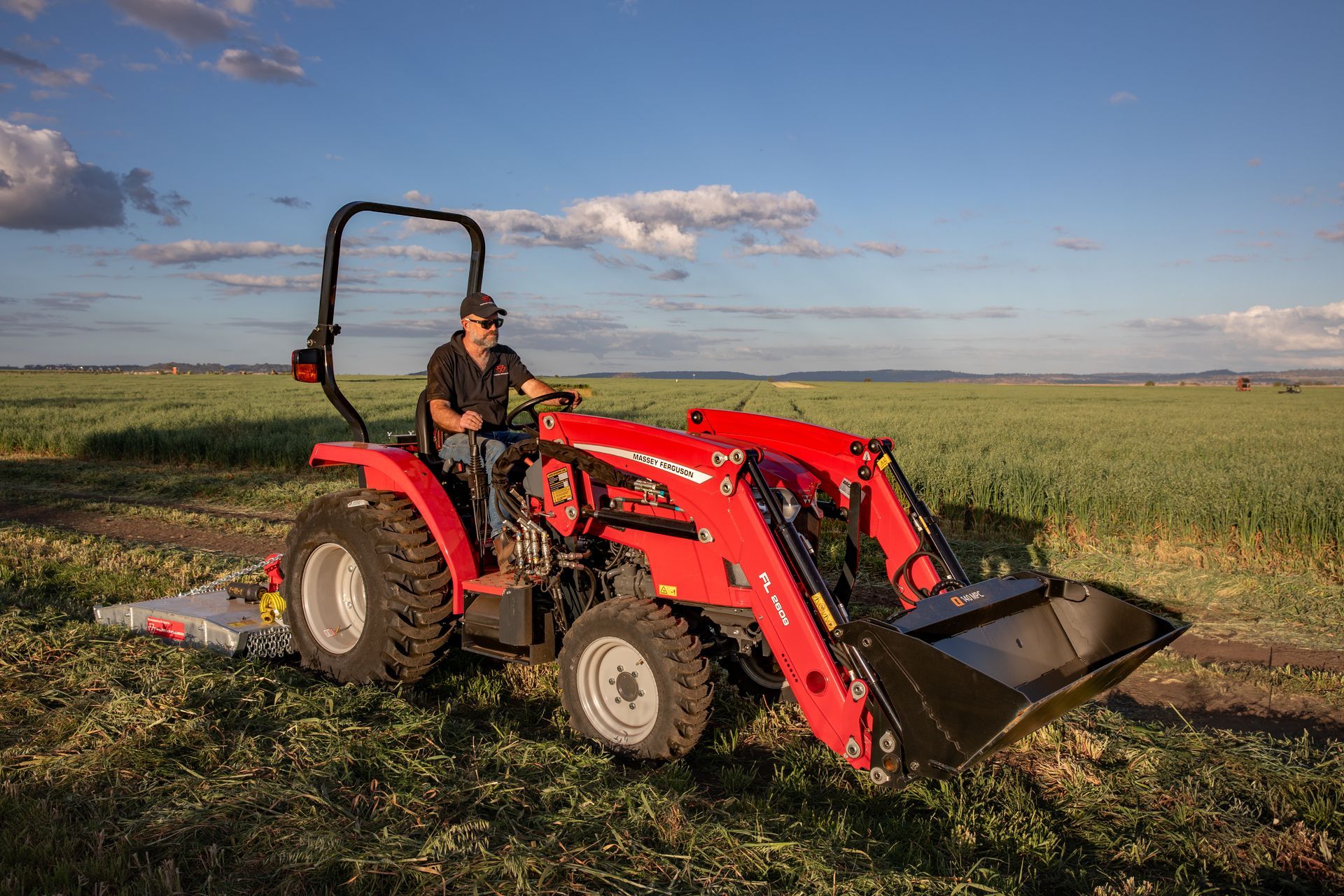
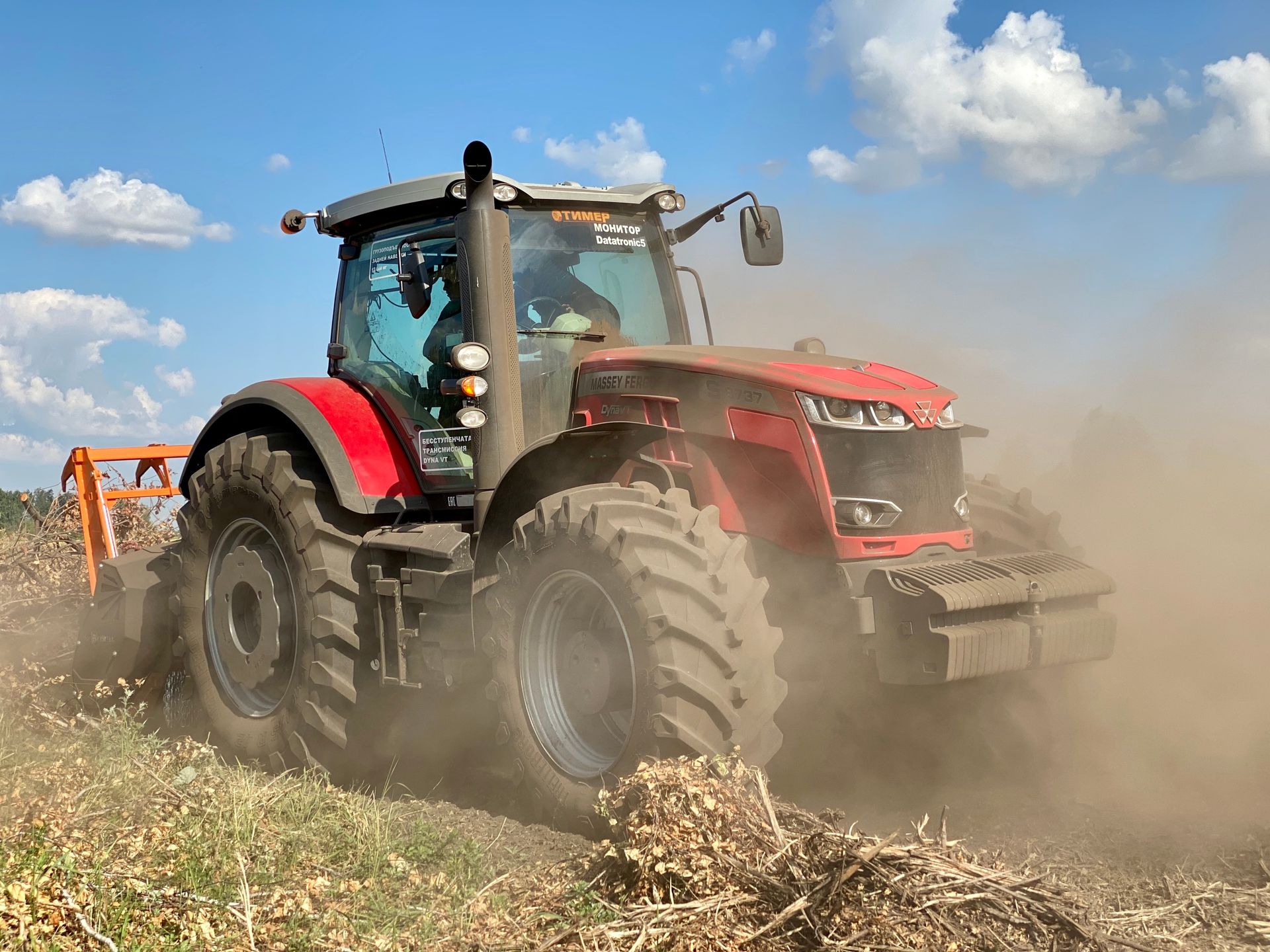
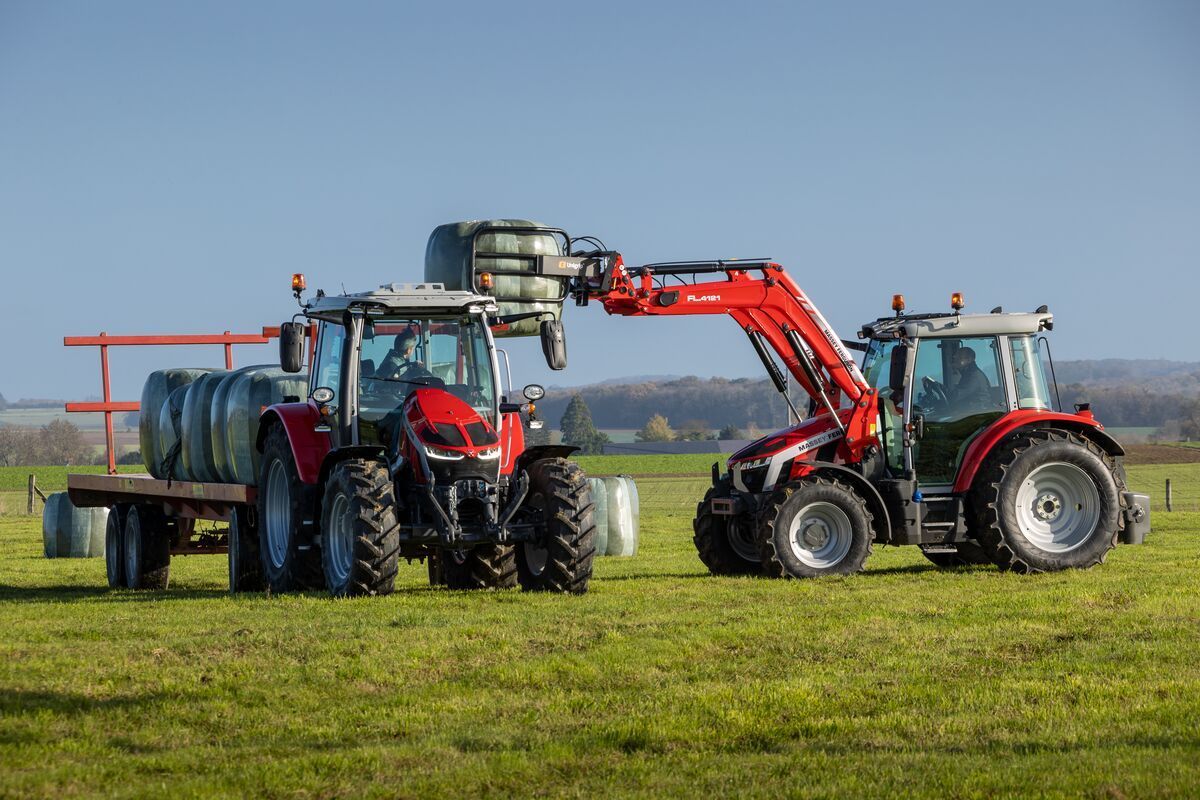
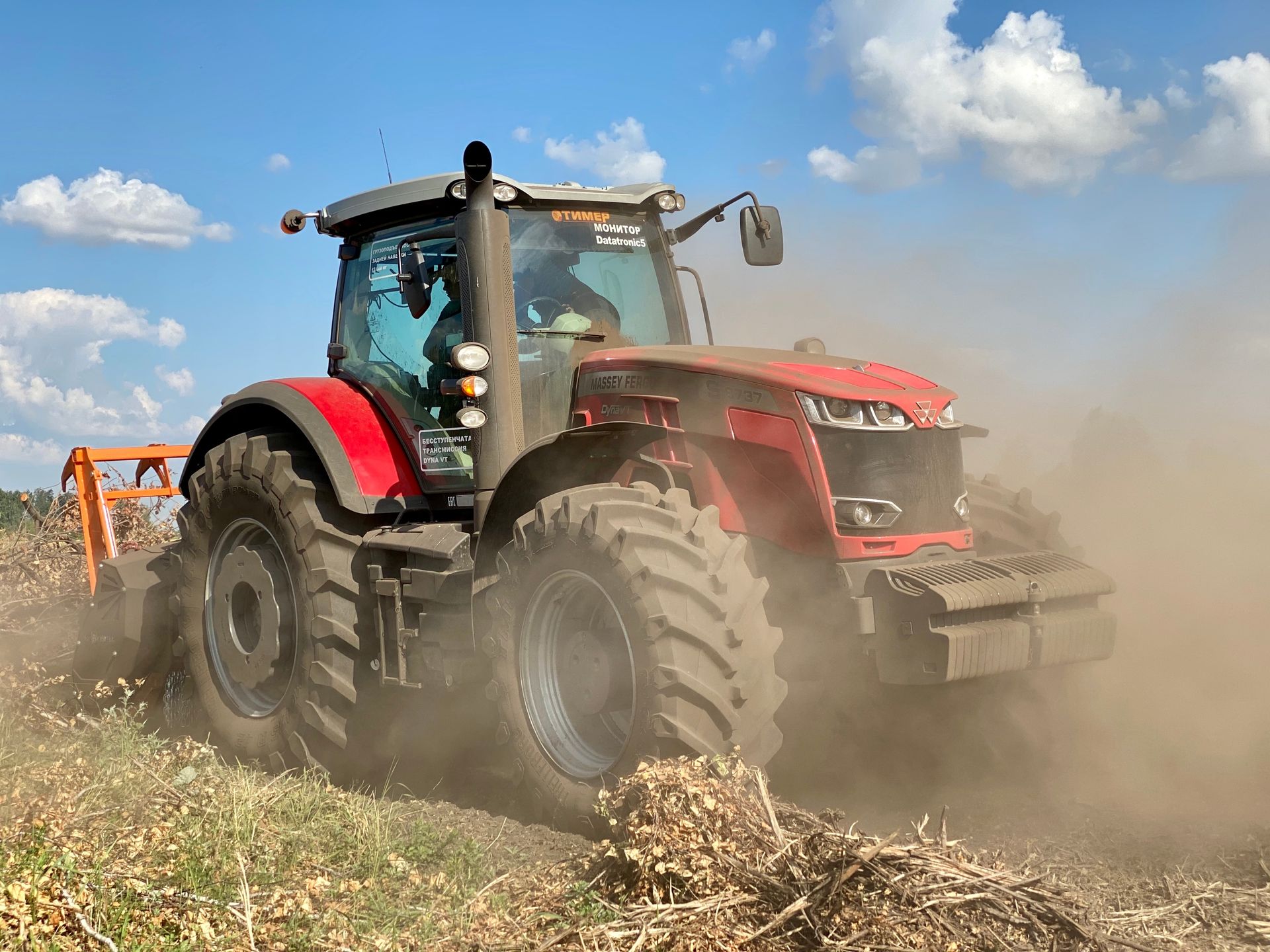
OEM parts are the gold standard for fit and function. OEM stands for Original Equipment Manufacturer. These parts are made by, or to the exact specification of, the company that built your machine. When you fit an OEM component to a Massey Ferguson tractor, for example, you are getting a part engineered specifically for that model.
The main advantages of OEM parts include:
▸ Precise fit, because tolerances are matched to the original design.
▸ Manufacturer warranty protection, which can be voided if non-approved parts are used.
▸ Consistent performance, as the part is tested to work within your machine's systems.
▸ Easier identification, since part numbers are standardised across dealer networks.
The trade-off is availability. OEM parts can sometimes take longer to source, particularly for older or less common models. In a region like the Macleay Valley, where the next agricultural dealership may be a significant drive away, lead times can matter during busy seasons.
What Are Aftermarket Farm Machinery Parts?
Aftermarket parts are produced by third-party manufacturers, not the original equipment brand. They are designed to fit and function in place of OEM components but are manufactured independently. Quality varies significantly across the aftermarket sector, ranging from high-grade equivalents through to cheaper imitations that may underperform.
Key points to understand about aftermarket parts:
▸ They can offer faster local availability in some cases, particularly for common components.
▸ Quality is not uniform, so sourcing from reputable suppliers matters greatly.
▸ Some aftermarket parts match OEM specifications closely; others may not.
▸ Using a low-quality aftermarket part on a critical system, such as hydraulics or braking, can carry safety risks.
For certain consumable or wear items, such as filters, belts, or blades on implements, reputable aftermarket parts can be a practical and sensible choice.
Pros and Cons of Each Option for Mid-North Coast Conditions
The Mid North Coast environment presents specific challenges for farm equipment. Coastal humidity, heavy summer rainfall, and the clay-heavy soils found across parts of the Macleay and Hastings river flats can accelerate wear on seals, bearings, and cutting edges.
OEM parts tend to handle these conditions well because they are engineered with the machine's full operating environment in mind. Aftermarket parts can perform equally well when sourced carefully, but farmers should pay close attention to materials and corrosion resistance.
A practical way to think about it:
▸ For safety-critical systems (brakes, steering, hydraulics), OEM is the lower-risk choice.
▸ For high-wear consumables (blades, belts, tyres, filters), reputable aftermarket can be cost-effective.
▸ For older machinery where OEM supply has been discontinued, quality aftermarket may be the only viable path.
▸ For machinery still under warranty, confirm with your dealer before fitting any non-OEM component.
When Should Kempsey Farmers Choose OEM vs Aftermarket?
The decision often comes down to three factors: the machine's age, the system being repaired, and how urgent the situation is.
During harvest or hay season, a breakdown that halts operations is costly. If a reputable aftermarket part is available locally and will get the machine running safely, it may be the right call. For planned maintenance or scheduled servicing outside of peak season, waiting for an OEM part is generally worth it.
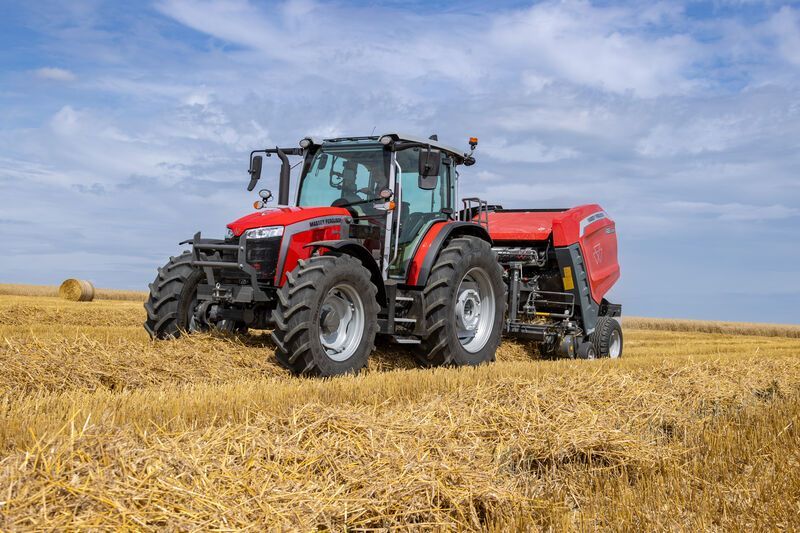
For tractors running Massey Ferguson, Kioti, or Iseki drivetrains, OEM components are typically recommended for engine and transmission work. For implements such as slashers, hay balers, and seeders, the calculation is more flexible, and quality aftermarket options may suit well.
What Happens to My Warranty If I Use Aftermarket Parts?
Using non-OEM parts can void the manufacturer's warranty on the affected system, depending on the brand and the terms of your warranty agreement. It is worth checking your warranty documentation or speaking with your dealer before substituting parts on machinery that is still under cover.
Are Aftermarket Parts Safe for Critical Farm Equipment?
Reputable aftermarket parts from established suppliers can meet or approach OEM standards for many applications. The risk increases with lower-cost, unbranded alternatives, particularly for systems where component failure could cause injury or significant mechanical damage. Always choose parts from a supplier you trust and can get advice from.
How Do I Source Quality Farm Machinery Parts near Kempsey?
The most reliable approach is to work with a local agricultural dealer who stocks both genuine OEM parts and can advise on quality aftermarket equivalents. A dealer with knowledge of Mid North Coast conditions and direct access to brand supplier networks can help you make the right call quickly, especially during time-sensitive repairs.
Get the Right Parts and Support Serving Kempsey
Sourcing the right parts does not have to be complicated, and the right local support makes all the difference. Inland 4WD & Tractors serves Kempsey and the surrounding Mid North Coast, offering spare parts, machinery servicing, and hands-on advice for farmers across the region. The team can help you assess whether OEM or a quality aftermarket option suits your situation, your machine, and your timeline.
Explore the machinery repairs and spare parts service to learn what is available for your equipment. To discuss your needs directly, visit the contact page or call (02) 6585 3266 to speak with the team.
Find Inland 4WD & Tractors on Google to check hours, directions, and customer reviews.